Jacob’s Story
What You'll Learn
One Step At A Time: Jacob’s Story of Recovery and Hope
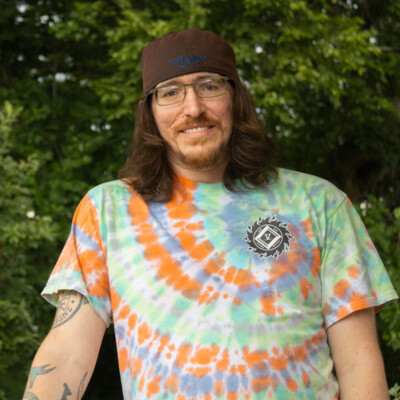
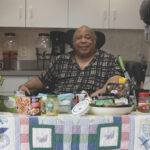
Every Sunday evening in a garage in New Philadelphia, OH, Jacob Baker sets up tables, arranges chairs, and welcomes individuals seeking support through “Clean and Serene,” a 12-step meeting that he founded after a severe snowstorm left many people in Tuscarawas County unable to travel to recovery meetings. What started to ensure people could access support has grown into one of the largest recovery meetings in the region.
During the week, Jacob manages a local business while staying connected with more than 100 people each day, offering encouragement and support on their recovery journeys. His life today is one of purpose, service, and hope, but that wasn’t always Jacob’s story.
Jacob’s substance use began at 12 years old with marijuana. After a serious injury at 18 led to a prescription for opioid pain medication, his substance use escalated to include fentanyl.
At the same time, Jacob shared that he was navigating the challenges of an Asperger’s syndrome diagnosis and cervical dystonia, an extremely painful neurological condition.
Despite these obstacles, Jacob found hope while caring for his terminally ill father, beginning his recovery through Medication-Assisted Treatment (MAT). But after his father’s passing, the weight of grief contributed to a relapse.
His addiction unraveled nearly every aspect of his life, bringing legal, financial, and personal hardships, including his arrest. During a pre-sentencing interview with his parole officer, Jacob made a life-changing decision that changed everything: he admitted he needed help and asked for treatment.
That decision was the first step toward rebuilding his life and brought him to OhioGuidestone’s Stillwater Crossing Men’s Residential Treatment Facility in Dennison, Ohio, where he became one of the new facility’s first residents. Having never experienced residential treatment before, Jacob arrived unsure of what to expect but determined to create a different future.
At Stillwater Crossing, Jacob embraced every opportunity to heal and grow. Through treatment, counseling, and unwavering support from staff, he developed the skills and confidence needed to build a lasting foundation for his recovery. His commitment continued after completing the program, even as he navigated new challenges, including caring for his mother, meeting legal obligations, and coping with the loss of his family’s home.
When his mother entered long-term care, Jacob transitioned to OhioGuidestone’s Recovery Point recovery housing, where he found continued encouragement from House Manager Andy Lewis and Peer Recovery Supporter Taylor Ferl, whom Jacob proudly calls his “#1 fan.”
Through each step of his journey, including residential treatment, Intensive Outpatient (IOP) services, counseling, case management, and recovery housing, Jacob has continued moving forward, one step at a time. His journey is a powerful reminder that recovery is not a single moment; it’s a lifelong process supported by connection, compassion, and care.
Today, Jacob shares a message of hope with others: “Recovery is not defined by where someone begins, but by the courage to ask for help and determination to continue moving forward.”
Through treatment, perseverance, and the support of people who believed in him, Jacob’s story is about how he transformed a life once defined by addiction into one rooted in purpose, hope, and the possibility of helping others do the same.
Watch Jacob’s Story below to hear from him in his own words.
Jacob’s Story Video
Read Jacob’s Story in our Summer 2026 Seeds of Hope.
Frequently Asked Questions About Recovery-Based Services:
What is a substance use disorder?
Substance use disorders are treatable health conditions involving the use of alcohol or drugs in a way that causes significant problems or distress. Treatment can help people manage symptoms and build a path toward recovery.
Can substance use disorders be treated?
Yes. Substance use disorders are treatable, and recovery is possible. Treatment may include counseling, medication-assisted treatment, residential treatment, outpatient services, peer support, and other forms of care depending on the unique needs of each individual.
What is medication-assisted treatment?
Medication-assisted treatment combines FDA-approved medications with counseling and behavioral therapies to treat substance use disorders, particularly opioid use disorder.
What happens in residential treatment for substance use disorders?
Residential treatment provides individuals with a structured environment where they can receive treatment and support while living at a treatment facility. Services may include counseling, behavioral health treatment, case management, education, and recovery support.
How do I know what type of treatment I need?
A substance use professional can help evaluate an individual’s circumstances and recommend an appropriate level of care. Treatment needs can change over time, so the best approach may evolve throughout someone’s recovery journey.
If you or someone you know is struggling with a substance use disorder, OhioGuidestone can help. With locations conveniently located across the state of Ohio and telehealth options available, we offer a wide range of services to meet you where you are. Contact our Intake team at 844.622.5564 or complete the request services form to get started. Recovery is possible; OhioGuidestone can help.