The Real Life of a Grant Writer
What Grant Writers Really Do and How They Work
Step inside the life of a grant writer—how they research funding, craft proposals, and help nonprofits like OhioGuidestone secure grants that have mission-driven impact. While this work is typically behind the scenes, it is integral to supporting our work and allowing us to serve our clients in the best way possible.
Ever wondered how nonprofits actually secure the grants that fuel their programs, expansion, and community impact? Behind every funded project is a grant writer—part researcher, part strategist, part storyteller—working diligently to translate mission-driven work into competitive proposals.
What You'll Learn
Introduction: The Hidden World Behind Every Funded Project
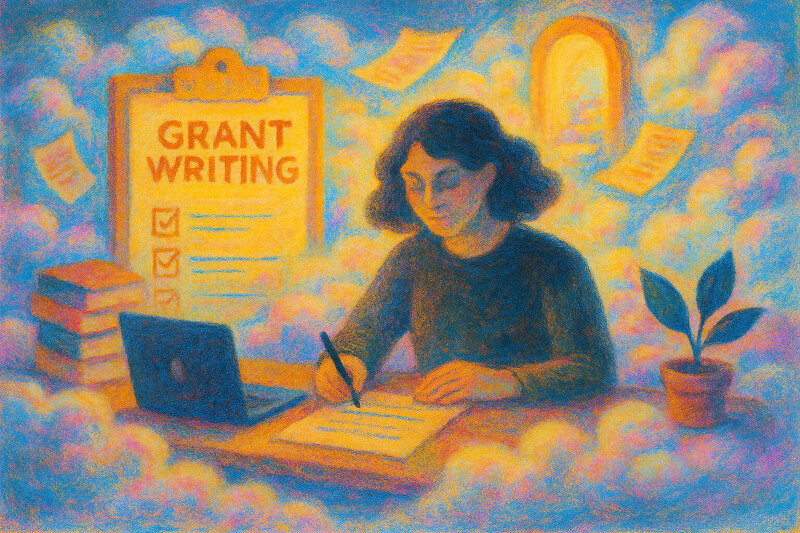
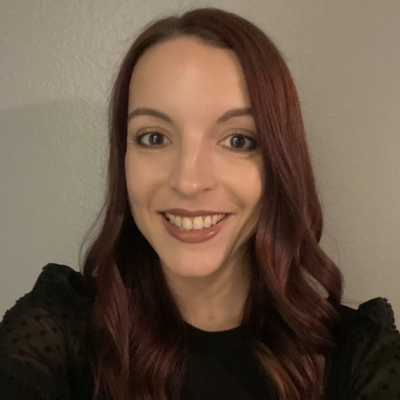
Grant writing is far more than filling out forms. It requires deep collaboration, technical precision, and the ability to explain complex work in clear, compelling language. At OhioGuidestone, this work is led by Karla Robinson, PhD, Director of Grants, whose team supports statewide behavioral health programs by securing essential funding from government agencies, foundations, and corporate donors.
Let’s go inside the real, purpose-driven work of a grant writer: the research, the writing, the teamwork—and the mission behind it.
What Does a Grant Writer Do?
A professional grant writer serves as the bridge between an organization’s mission and the funders who can help advance it. Grant writing at OhioGuidestone fuels program expansion across Ohio, provides wraparound services for clients, supports new initiatives in behavioral health, and strengthens the organizational infrastructure. Karla’s team brings a diverse powerhouse of expertise:
· Karla Robinson, PhD, Director of Grants—nonprofit professional, former executive director of a smaller organization, with degrees in communication
· Beau Schultz, JD, Coordinator of Government Funding—attorney with degrees in psychology, criminology, and engineering
· Emma Slivka, GPC—certified grant professional with an English and Education background
· Anna Bowersox, MSW—Advancement Officer and social worker, contributing grant writing expertise
This blend of education and skills helps them interpret complex requests for proposals (RFPs), decode government language, and craft persuasive, funder-aligned proposals.
First Steps—Research, Deadlines, and Strategic Planning
Most days begin with a review of:
- Funding calendars · Government portals (like Grants.gov)
- Foundation announcements
- New Requests for Proposals (RFPs)
Because funders each have strict eligibility rules, deadlines, and documentation requirements, this early review helps the team quickly determine:
- Is this grant a good fit?
- Do we have the data required?
- Can we meet the deadline?
Given OhioGuidestone’s statewide footprint, these decisions impact entire communities. Grant opportunities often launch new services or bring behavioral health support to areas with critical needs.
Next Steps—Collaboration, Story Gathering, Data Collection
Grant writers rarely work alone.
The Grants team spends lots of time connecting with program leaders, clinicians, and the Finance team to gather the details behind each proposal, like:
- Service models: How your program delivers services to clients—what you do, how often, and in what format.
- Staffing needs: The people required to run the program and their roles.
- Client demographics: Who you serve—age, income level, location, background, and relevant characteristics.
- Program outcomes: The measurable changes or results expected because of your program.
- Budget details: How grant funds will be spent and why those expenses are necessary.
- Impact stories: Short, real-life stories that show how the program affects individuals or families.
Grant writers are truth-seekers—not just crafting narratives, but accurately representing the real work happening across Ohio. Storytelling plays a major role, and when program participants choose to share their experiences, the Grants and Communications teams work together to bring their voices forward with dignity, respect, and in collaboration with the client.
What Comes Next—Deep Writing Session
When our grant writers enter focused writing mode, they are compiling materials to answer the key questions posed by the funder. This includes developing the organizational background, needs statements, program descriptions, goals and measurable outcomes, capacity and staffing sections, and budget development.
Each proposal is carefully tailored. Even when prior templates exist, funders expect language that matches their mission—not a one-size-fits-all narrative.
Almost Finished—Editing, Refinement, and Internal Review
Grant writing is highly iterative. Internal reviews across departments ensure:
- Accuracy of program details
- Budget alignment with narrative
- Clarity of outcomes
- Compliance with funder tone and terminology
- Consistency across all proposal sections
Because grant funding is closely monitored, precision is paramount. Funders expect clear documentation of how dollars will be spent and how results will be measured.
Just a Few Last Steps—Compliance Checks and Submission Prep
Before hitting “submit” on any proposal, the team conducts meticulous compliance reviews of character limits, formatting, attachments that are required, IRS documentation, audit reports, and letters of support.
A missing attachment or incorrect formatting can lead to automatic rejection, so attention to detail is non-negotiable.
Now We Wait! Tracking Results and Preparing for the Next Cycle
Grant writing never truly stops.
The team consistently logs submissions, tracks reporting deadlines, updates funder relationships, and begins preparing for future opportunities. Many grants also require mid-year and annual reports, documenting exactly how funds were used and what impact they made.
Karla notes that funders never just hand over money without a plan. “Grants require carefully monitored spending and detailed reporting. It’s a partnership—not a transaction,” she said.
She also notes that the Finance team are crucial partners in this endeavor, ensuring that we monitor each grant-related transaction, documenting thoroughly how we spend the funds and what their impact is on our programs, services, and the individuals in our care.
Why Grant Writers Matter
Grant writers do far more than draft proposals; they shape impact. At OhioGuidestone, this work results in:
- New behavioral health programs
- Expanded community outreach
- Strengthened recovery services
- Infrastructure improvements (yes—even new roofs!)
- Unrestricted funding that keeps essential programs running
For Karla, the mission is personal. Having lost loved ones to substance use disorder, she sees each successfully funded program as a potential lifeline for someone else’s family member.
Conclusion—The Purpose-Driven Work Behind Every Grant
A grant writer’s every day is a blend of creativity, strategy, and collaboration. Their work transforms mission-driven ideas into fundable, measurable, impactful programs that change lives.
At OhioGuidestone, Karla Robinson and her team exemplify grant writing at its best: thoughtful, rigorous, collaborative, and deeply connected to the organization’s purpose.
Behind every funded program at OhioGuidestone, and every other nonprofit, is a writer and a team working to build stronger, healthier communities, one proposal at a time.
Frequently Asked Questions
Is grant writing stressful?
Yes—tight deadlines, detailed requirements, and high stakes mean grant writing demands resilience, organization, and precision.
How many grants does a writer manage at once?
Often dozens, all at different stages: researching, writing, editing, reporting, or awaiting decisions.
Do grant writers need certifications?
Certifications like the Grant Professional Certified (GPC) credential—held by Emma on Karla’s team—demonstrate expertise but aren’t required.
How long does a proposal take to write?
Anywhere from several days to several months, depending on complexity and data needs.